Junsheng Construction Decor Materials Co., Ltd.

Houses for the Future: Durability and Return on Investment of WPC Exterior Walls
Upload Time:
Feb 04, 2026
Houses for the Future: Durability and Return on Investment of WPC Exterior Walls
When you stroll through a modern commercial district or step into a newly renovated library, have you ever been attracted by facades that combine exquisite beauty with practical toughness? They require little maintenance yet remain brand-new for years. The secret is Wood-Plastic Composite (WPC) — a revolutionary WPC building material reshaping the global construction industry. This eco-friendly WPC exterior wall uses sustainable engineering to make elegance and durability mutually achievable.
The WPC Revolution: More Than Just Visual Subversion
Traditional building materials struggle with high-traffic commercial and public spaces: stone is heavy and costly, wood succumbs to insects and moisture, and metal rusts over time. These materials are high-maintenance and inflexible for modern lightweight designs.
WPC solves this dilemma. As a composite of wood fiber and thermoplastic, it blends wood’s natural texture with plastic’s weather resistance and plasticity. About 50% of its raw materials are recycled wood and plastic, reducing waste and carbon emissions for the construction industry’s green transformation. Whether renovating chain stores or high-end villa communities, WPC exterior cladding is the preferred exterior cladding solution for balancing aesthetics and practicality.
Excellent Engineering: What Makes WPC Stand Out
WPC’s superior performance comes from its unique composite structure: wood fiber provides texture, while thermoplastic forms a waterproof, anti-corrosion barrier — creating a 1+1>2 synergistic effect.
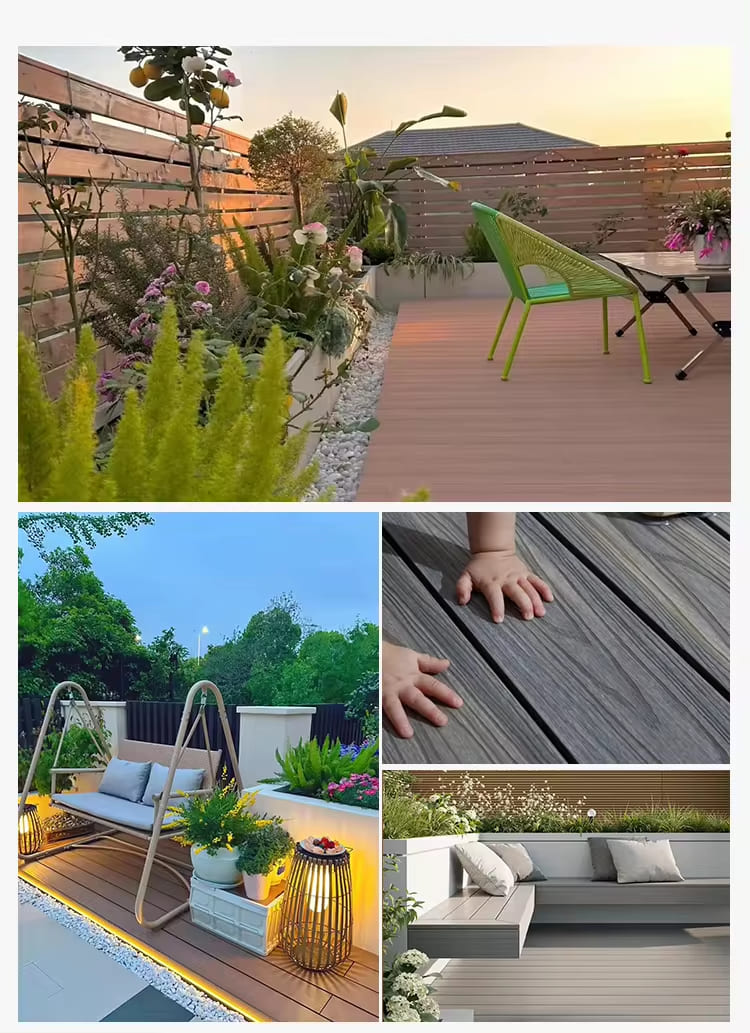
- Ultimate Weather Resistance: Waterproof WPC cladding and anti-corrosion WPC wall panel are insect-proof, maintaining stability in coastal area WPC exterior applications or rainy climates without frequent protective coatings. A high-end villa community in Abu Dhabi uses WPC exterior walls to withstand harsh sunlight, high temperatures, and sandstorms, remaining intact with no extra maintenance.
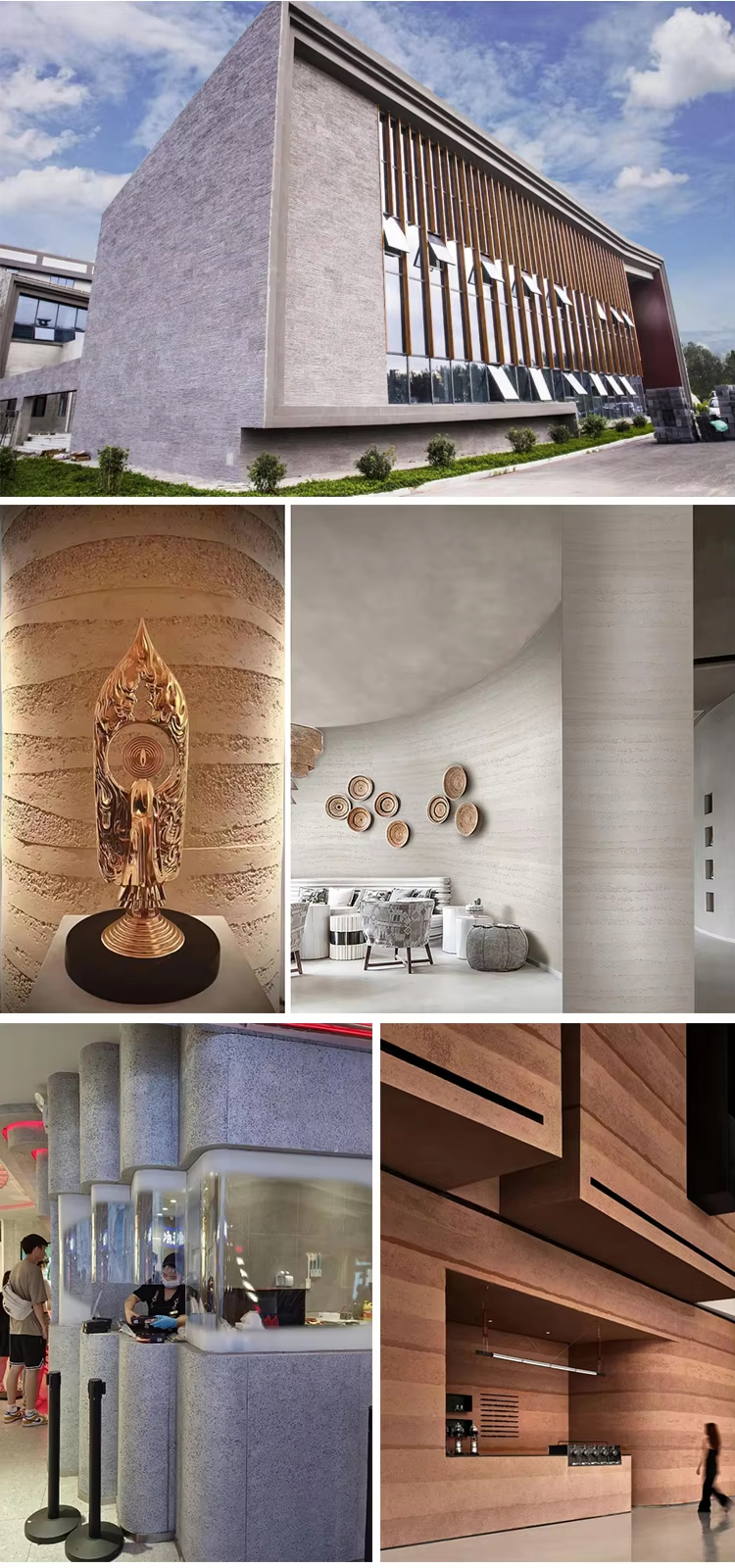
- Structural Stability: Resistant to deformation, cracking, and shrinkage under temperature changes and loads, WPC is ideal for large commercial buildings. A Starbucks in Costa Rica uses custom cedar-colored WPC exterior siding for its facade and drive-thru; under tropical climate WPC cladding and high traffic, it remains undamaged, fitting the brand’s natural aesthetic.
- Low Maintenance Cost: Smooth and easy to clean with water, WPC exterior maintenance cost is 1/3 that of traditional wood over 10 years. A Florida lakeside pavilion with teak-colored WPC facade panels stays vibrant in humid, sunny conditions without protective layers, cutting maintenance costs.
These traits make WPC an ideal, cost-effective modern facade material for high-traffic area WPC wall applications and extreme climates.
Commercial Space Renovation: From Theory to Practice
A trendy London retail store uses retail store WPC cladding and WPC flooring; after three years of high traffic, its wood texture remains new, showcasing commercial WPC exterior cladding value.
An Amsterdam community library uses WPC for its facade; its wood texture blends with urban greening, and library WPC exterior sound/heat insulation improves comfort. Post-renovation, energy consumption dropped 18% and facade maintenance costs 40%, reflecting WPC cladding return on investment.
WPC is also widely used in chain catering: Shenzhen’s Starbucks and Yonghe King useWPC exterior wall panels for unified branding and moisture resistance. A Thai overseas Chinese’s villa uses villa WPC facade panels to withstand Southeast Asia’s tropical climate, aligning withresidential WPC exterior wall sustainability goals.
These cases prove WPC’s dual value: meeting aesthetic needs while optimizing long-term costs, fitting high-end residences and diverse climates.
Unlimited Possibilities: The Cross-Border Application of WPC
WPC’s potential extends beyond walls and floors: it becomes durable street furniture, flexible office screens, and dynamic LED-integrated facades, blending decor and function.
Highly customizable (adjusting fiber-plastic ratios, colors, and textures), WPC simulates various styles. Nanning Metro usesmetro station WPC cladding gratings for its facade, balancing aesthetics and practicality. Shenzhen’s Lixin Lake Observation House, built withflexible WPC exterior board panels, combines natural texture and outdoor functionality, exemplifying WPC construction application.
The Future Is Here: WPC's Sustainable Commitment
WPC plays a key role in the construction industry’s low-carbon future. While initial WPC exterior wall cost is slightly higher than traditional wood, its 15-20 year lifespan cuts whole-life costs by 25-30%, delivering excellent long-life WPC exterior investment value as a green building WPC facade material.
WPC’s sustainability extends to its supply chain: future products will use more recycled materials, becoming recycled material WPC exterior and low carbon WPC wall panel options. In Chinese old community renovations, old community renovation WPC wall panels replace damaged materials, enabling exterior wall material replacement and green exterior renovation — solving maintenance pain points while aligning with urban renewal’s green goals.
The popularization of WPC exterior walls shifts construction from "short-term beauty" to "long-term value" and "recycling". As a sustainable WPC exterior material and cost-effective WPC exterior wall for public buildings, WPC proves durability and aesthetics, investment and environmental protection, can coexist — building a stronger, more beautiful future for housing.
Relevant News


Contact Us
Tong'an Avenue West, Dongfeng Town, Zhongshan City, Guangdong Province


